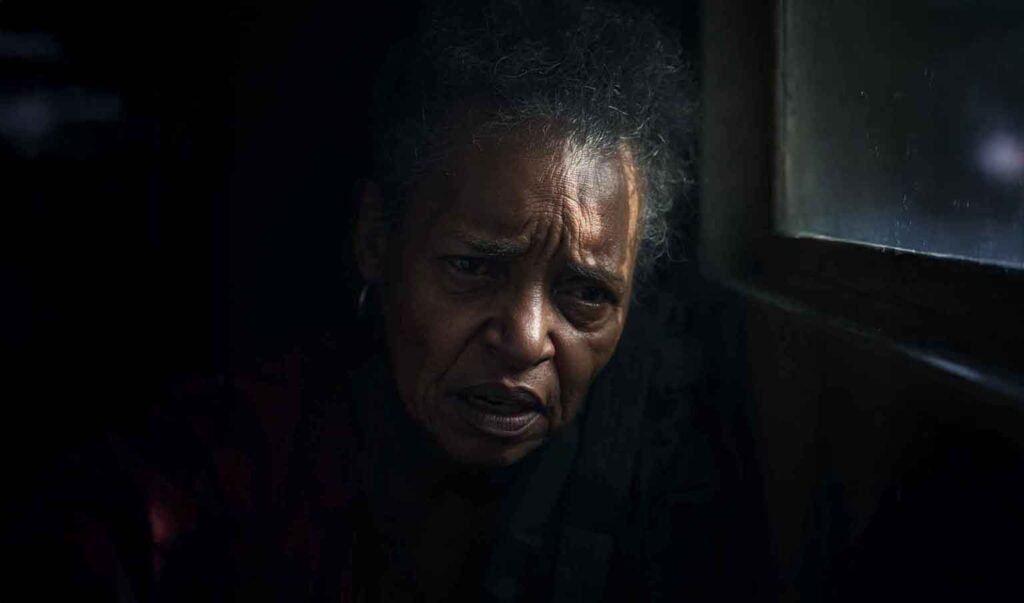

Emma loved knowing things.
Not surface facts or polite details, but the kind of knowledge people only shared when they felt safe. She noticed what others missed, hesitations, contradictions, the way someone’s voice changed when they lied to themselves. People trusted her. They told her things they had never said out loud. They felt seen in her presence.
Emma became the keeper of stories.
She could trace patterns in marriages, predict betrayals before they happened, identify wounds before people named them. Friends leaned on her counsel. Strangers found themselves opening up. She carried other people’s truths with ease.
But there was one truth she refused to face, her own.
She had mastered observation as a way of avoidance. While she helped others confront their pain, she kept hers untouched. A hollow place she dressed up with usefulness, intelligence, and spiritual language. She called it maturity. She called it wisdom. In truth, it was silence she had learned to protect.
One afternoon, sitting alone in a café, Emma thought of Eli.
The priest who saw everything and did nothing.
Scripture says Eli knew what his sons were doing, how they abused their position, exploited the people, dishonored God’s house (1 Samuel 2:22- 25). He warned them, but he never confronted them with the authority required. He chose peace over obedience. Familiarity over discipline. Silence over truth.
God judged Eli not for ignorance, but for restraint.
That thought stayed with Emma.
She saw herself too clearly in him. She had knowledge without confrontation. Insight without obedience. Discernment that stopped short of action. She could name everyone else’s dysfunction, but she protected the disorder in her own heart.
The café buzzed with conversation. Laughter. Movement. Life happening. Emma watched, cataloged, interpreted. It was what she always did.
At the next table, a young girl sat stiffly beside her mother. Her eyes flinched when the woman leaned close. Emma noticed it immediately. She always did. She saw fear before it spoke. Pain before it cried.
But she stayed seated.
She didn’t intervene. She didn’t ask a question. She didn’t disrupt the moment.
Because seeing was easier than acting.
Just like Eli had seen his sons.
Just like she had seen herself.
The danger wasn’t that Emma lacked compassion. It was that she had trained herself to remain untouched. She stayed in the role of observer because confronting truth would require exposure. It would mean turning her insight inward. It would mean naming what she had buried for years, betrayal she minimized, fear she never processed, wounds she disguised as strength.
Proverbs says, “The heart knows its own bitterness” (Proverbs 14:10).
Emma knew hers.
She just hadn’t acknowledged it.
The reflection in the café window showed a woman who looked composed, competent, respected. But beneath that calm exterior was erosion, slow, quiet, unaddressed. Like Eli’s house, it wasn’t chaos. It was decay.
Silence has a way of looking like wisdom.
Avoidance often masquerades as discernment.
And familiarity can dull urgency.
Emma left the café without resolution. No dramatic moment. No sudden breakthrough. Just the weight of knowing that some truths remain unhealed not because they are hidden, but because we protect the silence around them.
Some doors remain closed because opening them would cost us the comfort of pretending.
Some lives stall not from ignorance, but from restraint.
And some people spend years guiding others while their own house waits for courage.
The silence we protect eventually demands a reckoning.